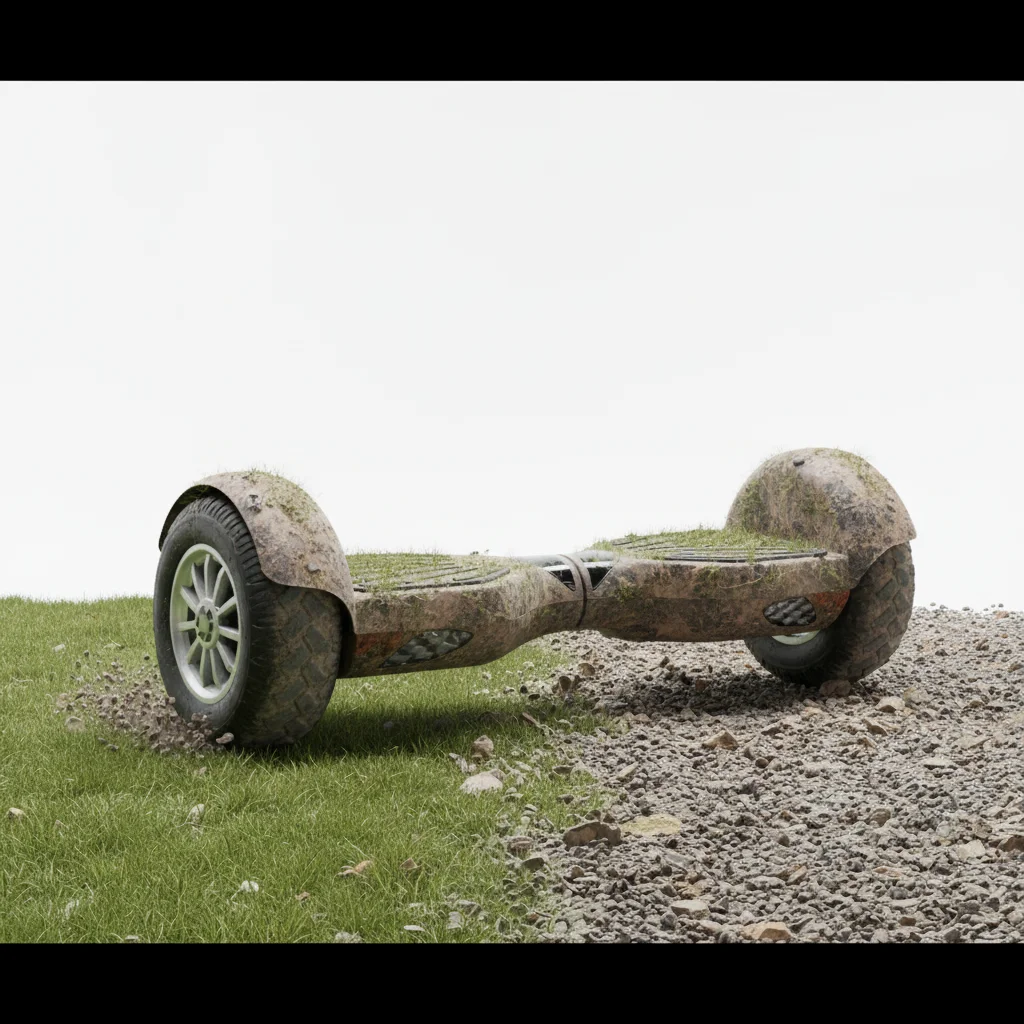
Riding a hoverboard on grass and gravel is generally not recommended for most standard models due to potential damage and reduced performance. While some specialized all-terrain hoverboards are designed to handle these surfaces, typical hoverboards are built for smooth, flat ground. Attempting to ride a standard hoverboard on uneven terrain can lead to scratched casings, motor strain, and a significantly less stable and enjoyable ride.
Most hoverboards feature solid rubber tires and motors optimized for paved surfaces. When these devices encounter grass or gravel, the small wheels struggle to maintain traction, leading to a bumpy and often jarring experience. The increased resistance from these surfaces also puts extra strain on the motors and battery, potentially shortening the hoverboard’s lifespan and reducing its range.
Understanding Hoverboard Wheel Types and Terrain
The type of wheels on your hoverboard is the primary factor determining its suitability for different terrains. Standard hoverboards typically come with solid, smaller wheels (around 6.5 inches) that are best suited for indoor use or smooth outdoor surfaces like sidewalks and driveways. These wheels offer minimal shock absorption and can easily get stuck or damaged on rougher ground.
In contrast, all-terrain hoverboards are equipped with larger, often pneumatic (air-filled) tires, usually 8.5 inches or 10 inches in diameter, with deeper treads. These features provide superior grip and shock absorption, making them capable of navigating grass, gravel, dirt paths, and even some inclines. Always check the manufacturer’s specifications for your specific model to understand its intended use.
The Risks of Riding on Grass and Gravel
Riding a non-all-terrain hoverboard on grass or gravel presents several risks. Firstly, the uneven surface can cause the rider to lose balance more easily, increasing the risk of falls and injuries. The small wheels can get caught in divots or loose stones, leading to sudden stops or uncontrolled movements.
Secondly, the internal components of the hoverboard are vulnerable to damage. Dust, dirt, and small stones can get into the wheel wells and motor housing, causing wear and tear or even complete failure. The constant vibration and impact from rough terrain can also loosen connections or damage the battery pack, posing a safety hazard.
Maintaining Your Hoverboard After Off-Road Use
|
Our Picks for the Best Hover Board in 2026
As an Amazon Associate I earn from qualifying purchases.
|
||
| Num | Product | Action |
|---|---|---|
| 1 | Razor Hovertrax 2.0 Hoverboard, UL2272 Certified Self-Balancing Hoverboard Scooter, for Kids Age 8+ |

|
| 2 | INMOTION E20 Electric Unicycle Hoverboard for Beginners – 14" Wheel, 900W Motor, 18.6 Miles Range, 12.5mph, UL2272 Certified – Lightweight & Safe Self-Balancing Scooter |
|
| 3 | Self-Balancing Scooter Skin Hoverboard Sticker Adult e Scooter Electric Scooter for Adults Reflective |
|
| 4 | K1 Go-Kart Seat Attachment for Self-Balancing Scooters, Adjustable Frame Fits 6.5"/8"/10" Boards, Easy Install, Kids & Family Fun (Scooter Not Included)–Classic Black |
|
| 5 | LIEAGLE Hoverboard, 6.5" Self Balancing Scooter Hover Board with Bluetooth Wheels LED Lights for Kids Adults |
|
| 6 | K2 Self-Balancing Scooter Go Kart with Rear Shock Absorption, Balancing Scooter Seat Attachment for 6.5" 8" 10" Tires, Adjustable Length & Off-Road Wheel( (Not Including Balancing Scooter) |
|
| 7 | Self Balance Scooter Seat Attachment 6.5” Two-Wheel Self Balancing Electric Scooter with LED Light Flash Lights Wheels |
|
| 8 | 8.5” All Terrain Hover Board, Off Road Self Balancing Scooter with Bluetooth and LED Lights, UL2272 Safety Certified |
|
| 9 | Gyroor Self Balancing Scooters Seat Attachment - Go Kart Conversion for 6.5'' to 10'' Self Balancing Scooters, Adjustable Frame Length, Perfect for Kids and Adults |
|
| 10 | Hover-1 My First Self Balancing Scooter for Kids with 5 mph Max Speed, Dual 150W Motors, 6.3” Tires, 3 Miles Max Range, and LED Headlights |
|
If you do ride an all-terrain hoverboard on grass or gravel, proper maintenance is crucial to ensure its longevity. After each ride, inspect the wheels and underside for any embedded debris, such as small rocks or twigs, and remove them carefully. Clean the wheels and chassis with a damp cloth to remove dirt and dust, paying close attention to the areas around the motors and sensors.
Regularly check the tire pressure if your hoverboard has pneumatic tires, and ensure all screws and fasteners are tight. If you notice any unusual noises or reduced performance, consult your hoverboard’s manual for troubleshooting tips or consider professional servicing.
Choosing the Right Hoverboard for Your Needs
When purchasing a hoverboard, consider where you plan to ride it most often. If your primary use will be on smooth, paved surfaces, a standard hoverboard will suffice and is often more affordable. However, if you anticipate riding on varied terrain, investing in an all-terrain model is a wise decision. These models are built with more robust components and larger wheels to handle the challenges of off-road riding.
Look for features like higher ground clearance, powerful motors, and durable, puncture-resistant tires. Some all-terrain hoverboards also come with water-resistant ratings, which can be beneficial if you encounter damp conditions. Always prioritize safety features and read reviews before making a purchase.
Tips for Riding on Challenging Surfaces
- Always wear appropriate safety gear, including a helmet, knee pads, and elbow pads.
- Start slowly and practice on a flat, open area of the challenging surface before attempting higher speeds.
- Maintain a slightly wider stance to improve stability and balance.
- Be aware of your surroundings and look out for large obstacles or sudden changes in terrain.
- If your hoverboard struggles, dismount and walk it over the difficult section rather than forcing it.
While standard hoverboards are best kept on smooth surfaces, all-terrain models open up a world of possibilities for exploring grass and gravel paths. Understanding the capabilities and limitations of your specific hoverboard model is key to a safe and enjoyable riding experience.
Get our weekly buyer guide
Practical specs, not advice. Unsubscribe anytime.
