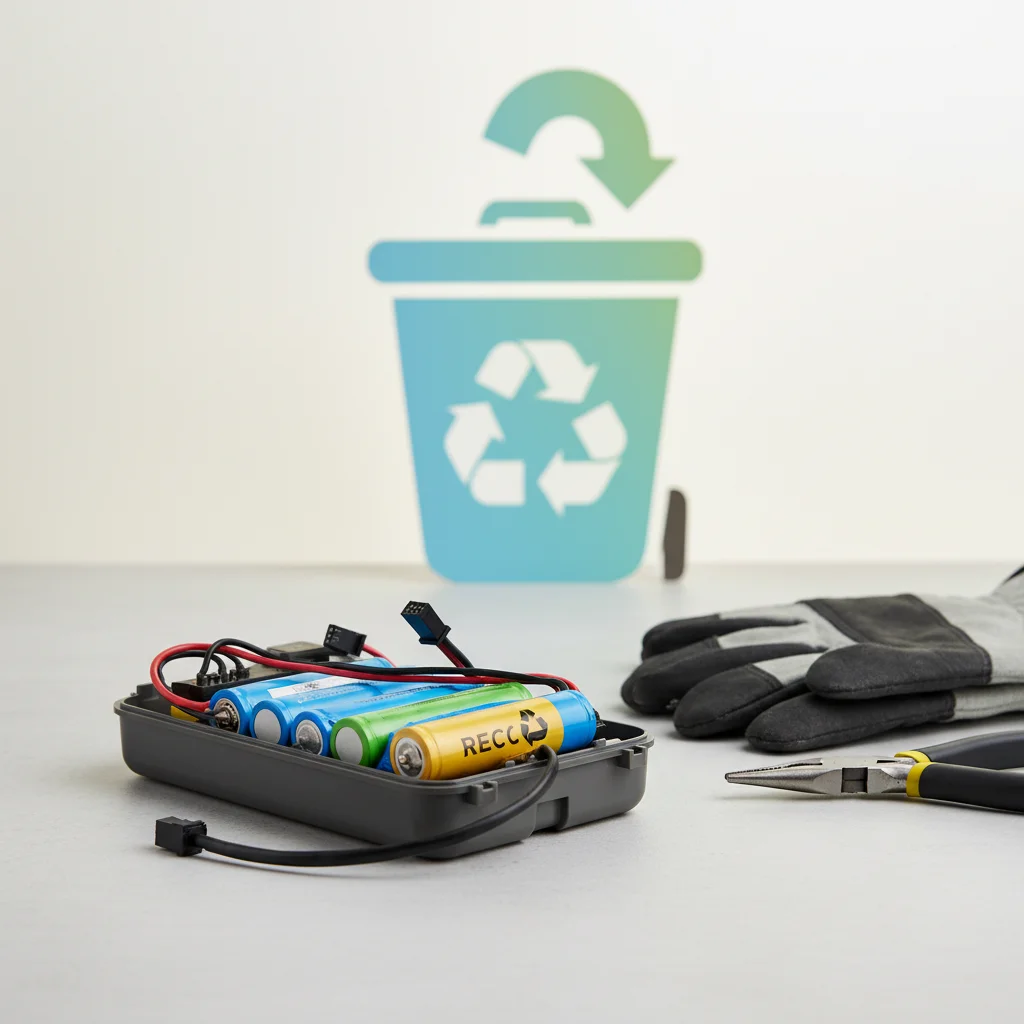
Proper hoverboard battery disposal is crucial for environmental safety and preventing hazards. You should never throw old hoverboard batteries in regular household trash due to their lithium-ion composition. Instead, aim to recycle them at designated facilities, which can often be found at local recycling centers, electronics stores, or hazardous waste collection sites. This ensures that the potentially harmful chemicals are handled correctly and valuable materials are recovered.
Why Proper Hoverboard Battery Disposal Matters
Hoverboard batteries, typically lithium-ion, contain materials that can be harmful to the environment if not disposed of correctly. These materials include cobalt, nickel, and manganese, which can leach into soil and water, posing risks to ecosystems and human health. Improper disposal can also lead to fires or explosions, especially if the batteries are damaged or exposed to extreme temperatures. Recycling these batteries helps to mitigate these risks and supports the recovery of valuable raw materials, reducing the need for new mining.
Finding a Battery Recycling Center Near You
Locating a suitable recycling center for your hoverboard battery is often easier than you might think. Many municipalities offer household hazardous waste collection programs that accept lithium-ion batteries. Additionally, large electronics retailers often have in-store recycling programs for batteries and other small electronics. Websites like Earth911.com or Call2Recycle.org provide searchable databases where you can enter your zip code to find nearby recycling options. Always call ahead to confirm that they accept hoverboard batteries, as policies can vary.
Preparing Your Hoverboard Battery for Recycling
|
Our Picks for the Best Hover Board in 2026
As an Amazon Associate I earn from qualifying purchases.
|
||
| Num | Product | Action |
|---|---|---|
| 1 | K1 Go-Kart Seat Attachment for Self-Balancing Scooters, Adjustable Frame Fits 6.5"/8"/10" Boards, Easy Install, Kids & Family Fun (Scooter Not Included)–Classic Black |

|
| 2 | Gyroor Self Balancing Scooters Seat Attachment - Go Kart Conversion for 6.5'' to 10'' Self Balancing Scooters, Adjustable Frame Length, Perfect for Kids and Adults |
|
| 3 | INMOTION E20 Electric Unicycle Hoverboard for Beginners – 14" Wheel, 900W Motor, 18.6 Miles Range, 12.5mph, UL2272 Certified – Lightweight & Safe Self-Balancing Scooter |
|
| 4 | Self-Balancing Scooter Skin Hoverboard Sticker Adult e Scooter Electric Scooter for Adults Reflective |
|
| 5 | 8.5” All Terrain Hover Board, Off Road Self Balancing Scooter with Bluetooth and LED Lights, UL2272 Safety Certified |
|
| 6 | Self Balance Scooter Seat Attachment 6.5” Two-Wheel Self Balancing Electric Scooter with LED Light Flash Lights Wheels |
|
| 7 | K2 Self-Balancing Scooter Go Kart with Rear Shock Absorption, Balancing Scooter Seat Attachment for 6.5" 8" 10" Tires, Adjustable Length & Off-Road Wheel( (Not Including Balancing Scooter) |
|
| 8 | Razor Hovertrax 2.0 Hoverboard, UL2272 Certified Self-Balancing Hoverboard Scooter, for Kids Age 8+ |
|
| 9 | Hover-1 My First Self Balancing Scooter for Kids with 5 mph Max Speed, Dual 150W Motors, 6.3” Tires, 3 Miles Max Range, and LED Headlights |
|
| 10 | LIEAGLE Hoverboard, 6.5" Self Balancing Scooter Hover Board with Bluetooth Wheels LED Lights for Kids Adults |
|
Before transporting your hoverboard battery to a recycling facility, it’s important to take a few safety precautions. First, ensure the battery is fully discharged if possible, as this reduces the risk of thermal events. Next, cover the battery terminals with non-conductive tape, such as electrical tape, to prevent short circuits during transit. This is a critical step to avoid accidental sparks or fires. Place the battery in a non-metallic container or bag for added safety, especially if you are transporting multiple batteries.
What Happens During the Recycling Process?
Once your hoverboard battery reaches a recycling facility, it undergoes a specialized process to safely extract and recover its components. The batteries are typically sorted by chemistry and then shredded in a controlled environment to separate the different materials. Metals like cobalt, nickel, and copper are recovered, along with plastics and other inert materials. These recovered materials can then be used to manufacture new batteries or other products, closing the loop on the material lifecycle. This process significantly reduces the environmental impact compared to landfilling.
Alternatives to Direct Recycling: Retailer Take-Back Programs
Some hoverboard manufacturers or retailers offer take-back programs for old batteries, especially if you are purchasing a replacement. It’s worth checking with the original seller or the brand’s customer service to see if they have such an initiative. These programs simplify the disposal process for consumers and ensure that the batteries are handled by entities familiar with their specific chemistry. Always inquire about any associated costs or shipping requirements if you opt for a mail-in program.
- Check local municipal waste management websites for hazardous waste collection schedules.
- Visit major electronics retailers; many have battery recycling drop-off points.
- Utilize online recycling locators like Earth911.com or Call2Recycle.org.
- Contact the hoverboard manufacturer for potential take-back programs.
- Ensure battery terminals are taped before transport to prevent short circuits.
Get our weekly buyer guide
Practical specs, not advice. Unsubscribe anytime.
