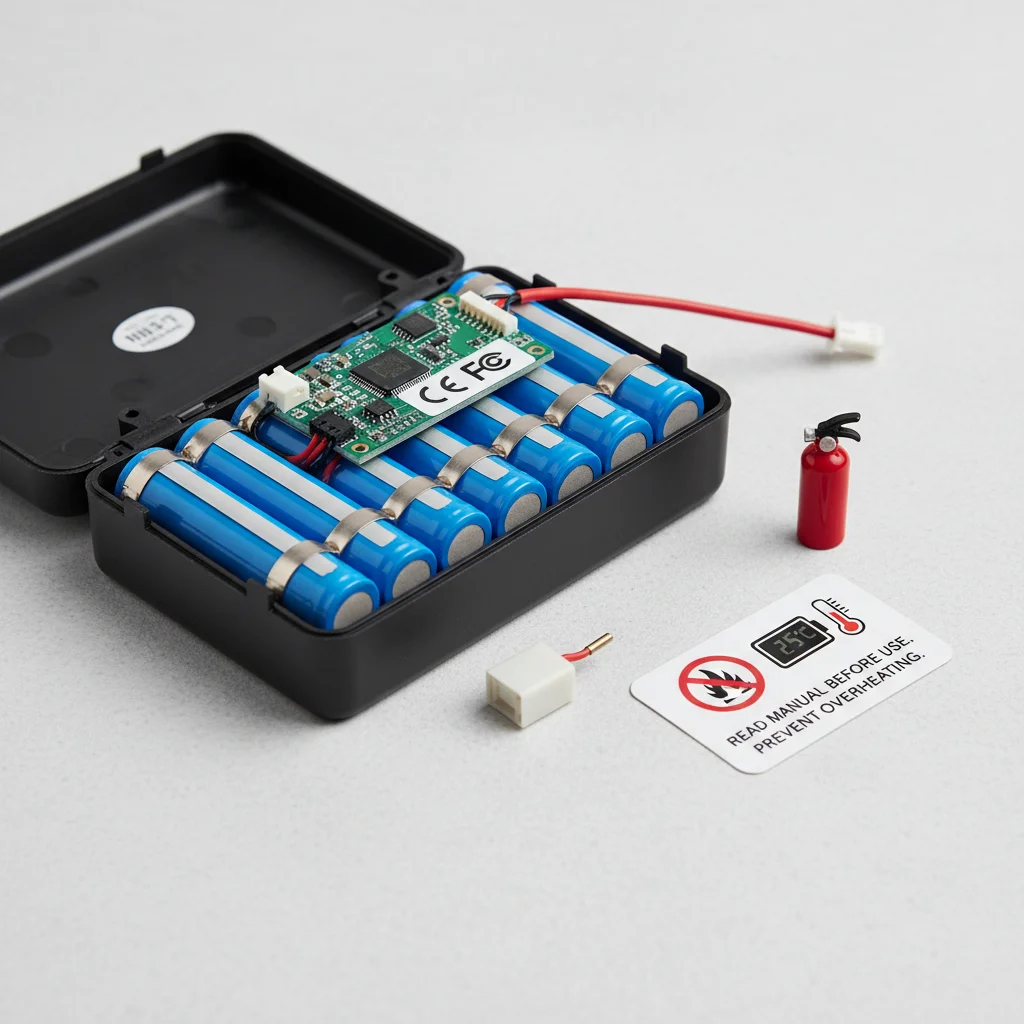
Ensuring hoverboard battery safety is paramount to prevent overheating and potential hazards. By following seven crucial tips, you can significantly reduce the risk of battery-related issues, extending the life of your device and ensuring a safe riding experience. These tips range from proper charging practices to regular inspection and storage.
Understanding Hoverboard Battery Risks
Hoverboard batteries, typically lithium-ion, are powerful energy sources. While generally safe, improper use or manufacturing defects can lead to overheating, thermal runaway, and in rare cases, fire. Common causes include overcharging, using incompatible chargers, physical damage to the battery pack, and exposure to extreme temperatures. Recognizing these risks is the first step in prevention. For browse all hoverboard sales articles on this site.
Tip 1: Use Only the Original or Certified Charger
One of the most critical aspects of hoverboard battery safety is using the correct charger. Always use the charger that came with your hoverboard or a certified replacement specifically designed for your model. Generic or incompatible chargers can deliver incorrect voltage or amperage, leading to overcharging and overheating. Check the charger’s specifications against your hoverboard’s battery requirements.
Tip 2: Avoid Overcharging Your Hoverboard
Leaving your hoverboard plugged in for extended periods after it’s fully charged can stress the battery and increase the risk of overheating. Most hoverboards take between 2 to 4 hours to fully charge. Consult your owner’s manual for the exact charging time. Once the indicator light on the charger turns green, disconnect the hoverboard immediately. Never leave a charging hoverboard unattended, especially overnight.
Tip 3: Inspect Your Battery and Charger Regularly
|
Our Picks for the Best Hover Board in 2026
As an Amazon Associate I earn from qualifying purchases.
|
||
| Num | Product | Action |
|---|---|---|
| 1 | Self Balance Scooter Seat Attachment 6.5” Two-Wheel Self Balancing Electric Scooter with LED Light Flash Lights Wheels |

|
| 2 | Gyroor Self Balancing Scooters Seat Attachment - Go Kart Conversion for 6.5'' to 10'' Self Balancing Scooters, Adjustable Frame Length, Perfect for Kids and Adults |
|
| 3 | LIEAGLE Hoverboard, 6.5" Self Balancing Scooter Hover Board with Bluetooth Wheels LED Lights for Kids Adults |
|
| 4 | INMOTION E20 Electric Unicycle Hoverboard for Beginners – 14" Wheel, 900W Motor, 18.6 Miles Range, 12.5mph, UL2272 Certified – Lightweight & Safe Self-Balancing Scooter |
|
| 5 | 8.5” All Terrain Hover Board, Off Road Self Balancing Scooter with Bluetooth and LED Lights, UL2272 Safety Certified |
|
| 6 | Self-Balancing Scooter Skin Hoverboard Sticker Adult e Scooter Electric Scooter for Adults Reflective |
|
| 7 | K2 Self-Balancing Scooter Go Kart with Rear Shock Absorption, Balancing Scooter Seat Attachment for 6.5" 8" 10" Tires, Adjustable Length & Off-Road Wheel( (Not Including Balancing Scooter) |
|
| 8 | Hover-1 My First Self Balancing Scooter for Kids with 5 mph Max Speed, Dual 150W Motors, 6.3” Tires, 3 Miles Max Range, and LED Headlights |
|
| 9 | Razor Hovertrax 2.0 Hoverboard, UL2272 Certified Self-Balancing Hoverboard Scooter, for Kids Age 8+ |
|
| 10 | K1 Go-Kart Seat Attachment for Self-Balancing Scooters, Adjustable Frame Fits 6.5"/8"/10" Boards, Easy Install, Kids & Family Fun (Scooter Not Included)–Classic Black |
|
Periodically examine your hoverboard’s battery pack and charger for any signs of damage. Look for frayed wires, cracked casings, unusual bulges in the battery, or discoloration. If you notice any damage, discontinue use immediately and consider professional repair or replacement. A damaged battery or charger is a significant safety risk.
Tip 4: Store Your Hoverboard Properly
Proper storage conditions are vital for battery longevity and safety. Store your hoverboard in a cool, dry place away from direct sunlight, extreme heat, or freezing temperatures. The ideal storage temperature is typically between 50°F and 77°F (10°C and 25°C). Avoid storing it in areas with high humidity or near flammable materials. If storing for an extended period, ensure the battery is charged to about 50-60% to prevent deep discharge.
Tip 5: Do Not Ride a Damaged Hoverboard
If your hoverboard has been dropped, involved in a collision, or shows any signs of physical damage, especially to the battery compartment, do not ride it. Internal damage to the battery cells might not be immediately visible but can lead to dangerous situations. Have it inspected by a qualified technician before further use.
Tip 6: Purchase from Reputable Brands and Retailers
The quality of the hoverboard and its battery can vary significantly between manufacturers. Purchasing from reputable brands and authorized retailers increases the likelihood of getting a product that meets safety standards and uses high-quality components. Be wary of unusually low-priced hoverboards from unknown sources, as they may use substandard batteries. Consider models like thefor their proven safety records.
Tip 7: Follow Manufacturer’s Guidelines and Warnings
Always read and adhere to the specific safety guidelines and warnings provided in your hoverboard’s owner’s manual. Manufacturers include these instructions for a reason, and they often contain crucial information unique to your specific model. Ignoring these guidelines can void warranties and, more importantly, compromise your safety. For additional peace of mind, consider accessories like thewhich can help monitor battery health.
- Always disconnect the charger once the battery is full.
- Never charge a hoverboard on flammable surfaces.
- Avoid exposing the hoverboard to extreme temperatures.
- Regularly check for recalls or safety advisories for your model.
- If the hoverboard emits smoke or unusual odors, evacuate and call emergency services.
Get our weekly buyer guide
Practical specs, not advice. Unsubscribe anytime.
