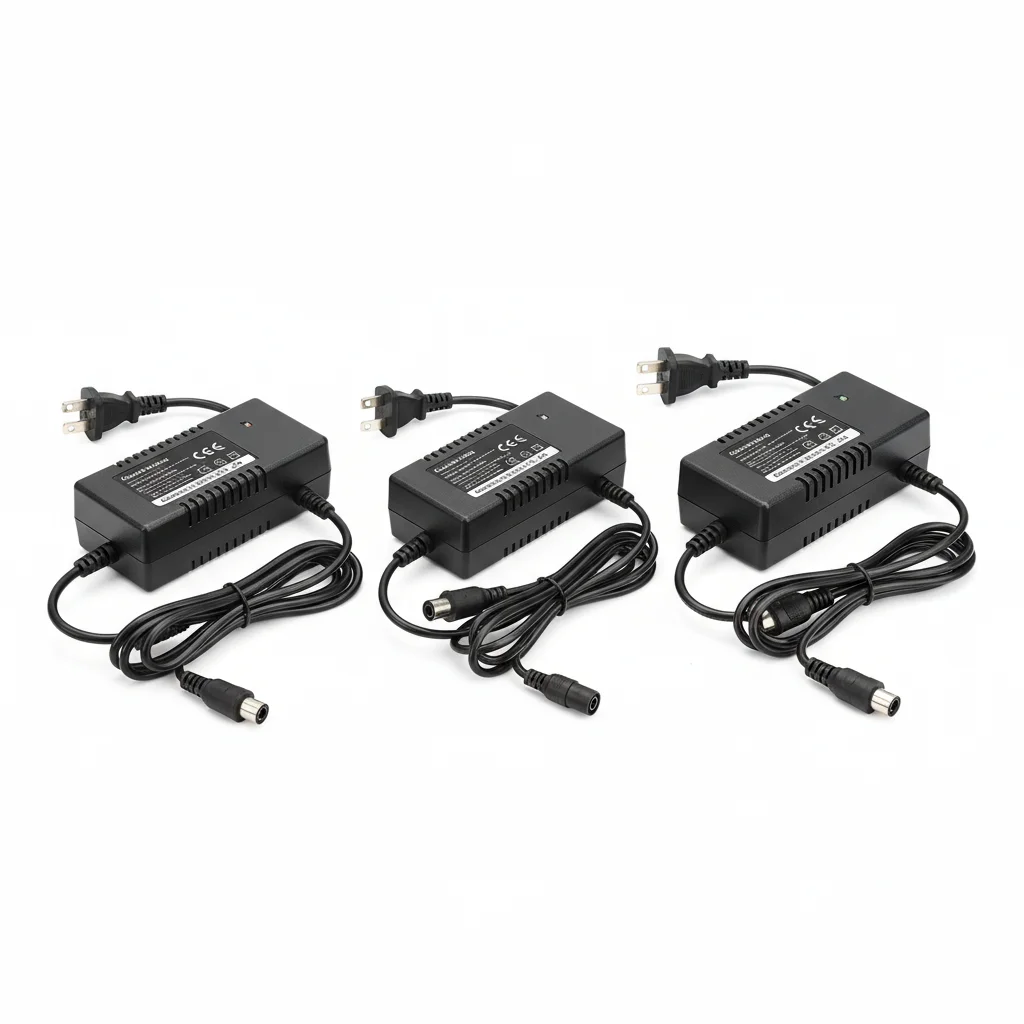
The right hoverboard charger voltage is crucial for safe and efficient charging, typically falling within a narrow range of 36V to 42V DC. Using a charger with an incorrect voltage can damage your hoverboard’s battery, reduce its lifespan, or even pose a fire hazard. It’s essential to always match the charger’s output voltage to the specifications listed on your hoverboard or its original charger.
Understanding Hoverboard Battery Voltage
Most hoverboards are powered by lithium-ion battery packs, which are typically rated at 36V. However, when fully charged, these battery packs will reach a higher voltage, often around 42V. This is why many hoverboard chargers have an output voltage of 42V. The charger’s role is to provide a slightly higher voltage to push current into the battery until it reaches its full capacity. Always check the label on your hoverboard’s battery pack or the original charger for the precise voltage requirements.
Using a charger with a voltage that is too low will result in an undercharged battery, leading to reduced range and performance. Conversely, a charger with a voltage that is too high can overcharge the battery, causing overheating, swelling, and permanent damage. This is why strict adherence to the manufacturer’s recommended voltage is non-negotiable for both safety and longevity.
Identifying Your Hoverboard’s Charger Specifications
To find the correct charger voltage for your hoverboard, look for a label on the charger itself. This label will typically state the “Output” voltage and amperage (e.g., “Output: 42V 2A”). If you no longer have the original charger, check the specifications printed on the hoverboard’s battery compartment or in the owner’s manual. Most hoverboards use a standard DC barrel plug, but the internal wiring and voltage requirements can vary significantly between models. Never assume that all hoverboard chargers are interchangeable.
- Check the original charger’s label for “Output” voltage.
- Consult your hoverboard’s user manual for battery specifications.
- Look for a sticker on the hoverboard’s underside or battery compartment.
- Measure the voltage of a known good charger with a multimeter if available.
- Contact the hoverboard manufacturer’s support for specific model information.
The Dangers of Using the Wrong Voltage Charger
|
Our Picks for the Best Hover Board in 2026
As an Amazon Associate I earn from qualifying purchases.
|
||
| Num | Product | Action |
|---|---|---|
| 1 | Razor Hovertrax 2.0 Hoverboard, UL2272 Certified Self-Balancing Hoverboard Scooter, for Kids Age 8+ |

|
| 2 | Self-Balancing Scooter Skin Hoverboard Sticker Adult e Scooter Electric Scooter for Adults Reflective |
|
| 3 | K2 Self-Balancing Scooter Go Kart with Rear Shock Absorption, Balancing Scooter Seat Attachment for 6.5" 8" 10" Tires, Adjustable Length & Off-Road Wheel( (Not Including Balancing Scooter) |
|
| 4 | Hover-1 My First Self Balancing Scooter for Kids with 5 mph Max Speed, Dual 150W Motors, 6.3” Tires, 3 Miles Max Range, and LED Headlights |
|
| 5 | Self Balance Scooter Seat Attachment 6.5” Two-Wheel Self Balancing Electric Scooter with LED Light Flash Lights Wheels |
|
| 6 | 8.5” All Terrain Hover Board, Off Road Self Balancing Scooter with Bluetooth and LED Lights, UL2272 Safety Certified |
|
| 7 | INMOTION E20 Electric Unicycle Hoverboard for Beginners – 14" Wheel, 900W Motor, 18.6 Miles Range, 12.5mph, UL2272 Certified – Lightweight & Safe Self-Balancing Scooter |
|
| 8 | K1 Go-Kart Seat Attachment for Self-Balancing Scooters, Adjustable Frame Fits 6.5"/8"/10" Boards, Easy Install, Kids & Family Fun (Scooter Not Included)–Classic Black |
|
| 9 | LIEAGLE Hoverboard, 6.5" Self Balancing Scooter Hover Board with Bluetooth Wheels LED Lights for Kids Adults |
|
| 10 | Gyroor Self Balancing Scooters Seat Attachment - Go Kart Conversion for 6.5'' to 10'' Self Balancing Scooters, Adjustable Frame Length, Perfect for Kids and Adults |
|
The consequences of using an incompatible charger can range from minor inconvenience to serious safety risks. An incorrect voltage can lead to the battery not charging at all, charging very slowly, or, in worst-case scenarios, overheating and catching fire. Lithium-ion batteries are sensitive to improper charging, and overcharging is a leading cause of battery failure and thermal runaway events. Always prioritize safety by ensuring your charger’s voltage matches your hoverboard’s requirements exactly.
Beyond immediate safety concerns, using the wrong charger can significantly shorten the overall lifespan of your hoverboard’s battery. Consistent overcharging or undercharging can degrade the battery cells, reducing their capacity and ability to hold a charge. This means you’ll experience shorter ride times and eventually need a costly battery replacement sooner than anticipated. Investing in the correct charger is an investment in the longevity of your hoverboard.
Where to Find a Compatible Hoverboard Charger
When replacing a hoverboard charger, it’s always best to purchase one directly from the hoverboard manufacturer or a reputable third-party vendor that explicitly states compatibility with your specific hoverboard model. Avoid generic chargers that don’t specify voltage and amperage, as these can be unreliable and potentially dangerous. Look for chargers with safety certifications like UL, CE, or RoHS, which indicate they meet certain safety standards.
Many online retailers specialize in hoverboard parts and accessories, offering a wide selection of chargers for various brands and models. When shopping, pay close attention to both the output voltage and the connector type to ensure a perfect match. Some hoverboards use a standard 3-prong connector, while others might use a 2-prong or a different barrel size. Double-checking these details will save you time and prevent potential damage to your device.
Maintaining Your Hoverboard Charger for Longevity
Proper care of your hoverboard charger can extend its life and ensure safe operation. Avoid bending or crimping the charging cable, as this can damage the internal wires and lead to intermittent charging or short circuits. Store the charger in a cool, dry place away from direct sunlight and extreme temperatures. Never leave your hoverboard charging unattended for extended periods, especially overnight, to prevent overcharging and potential hazards. Regularly inspect the charger for any signs of damage, such as frayed wires or cracked casings, and replace it immediately if any damage is found.
Get our weekly buyer guide
Practical specs, not advice. Unsubscribe anytime.
