Are you a teenager looking to navigate your world with unparalleled style and freedom, or a parent seeking the perfect blend of fun and safety for your teen? Choosing the right hoverboard can be an exhilarating yet daunting task, with countless models and features to consider. In 2026, hoverboards continue to evolve, offering advanced technology, enhanced safety, and thrilling performance. This comprehensive guide will cut through the noise, providing you with everything you need to select a hoverboard that perfectly matches your teenager’s needs, budget, and sense of adventure. We’ll delve into the top models, crucial buying factors, and essential tips to ensure a safe and enjoyable riding experience.
Common Types of Hoverboards
The hoverboard market offers a diverse range of models, each designed to cater to different riding styles and environments. Understanding these categories is the first step in finding the perfect match for your teenager.
- Standard Hoverboards: These are the most common and accessible type, typically featuring 6.5-inch to 8-inch wheels. They are ideal for smooth surfaces like sidewalks, pavements, and indoor floors, offering a lightweight and maneuverable ride. Standard hoverboards are often a great choice for casual cruising and beginners.
- Off-Road Hoverboards: For the more adventurous teen, off-road hoverboards come equipped with larger, often inflatable tires (8.5 to 10 inches or more) and enhanced suspension systems. These rugged models are built to tackle rougher terrains, including dirt trails, grass, and gravel, providing a thrilling outdoor experience with powerful motors and durable construction.
- All-Terrain Hoverboards: As the name suggests, these models strike a balance, combining features of both standard and off-road hoverboards. They offer versatile wheel designs and robust builds, performing well on both smooth and moderately uneven surfaces. This makes them a flexible choice for teenagers who want to ride in various environments.
- Self-Balancing Scooters (with handles): While often confused with traditional hoverboards, these feature a handlebar for added stability and control. They are excellent for beginners or those who prefer extra support, often providing a smoother ride for commuting.
How to Choose the Right Hoverboard
Selecting a hoverboard involves more than just picking a cool color. It requires careful consideration of several factors to ensure safety, performance, and satisfaction.
Determining Your Needs
Before diving into specifications, consider how and where your teenager will primarily use the hoverboard. Is it for quick rides around the neighborhood, commuting to a friend’s house, or exploring light off-road paths? The intended purpose will significantly influence the type of hoverboard, wheel size, and power requirements. Also, consider the rider’s weight, as each hoverboard has a maximum load capacity to ensure optimal performance and safety.
Key Technical Specifications
|
Our Picks for the Best Hover Board in 2026
As an Amazon Associate I earn from qualifying purchases.
|
||
| Num | Product | Action |
|---|---|---|
| 1 | Gyroor Self Balancing Scooters Seat Attachment - Go Kart Conversion for 6.5'' to 10'' Self Balancing Scooters, Adjustable Frame Length, Perfect for Kids and Adults |

|
| 2 | INMOTION E20 Electric Unicycle Hoverboard for Beginners – 14" Wheel, 900W Motor, 18.6 Miles Range, 12.5mph, UL2272 Certified – Lightweight & Safe Self-Balancing Scooter |
|
| 3 | 8.5” All Terrain Hover Board, Off Road Self Balancing Scooter with Bluetooth and LED Lights, UL2272 Safety Certified |
|
| 4 | LIEAGLE Hoverboard, 6.5" Self Balancing Scooter Hover Board with Bluetooth Wheels LED Lights for Kids Adults |
|
| 5 | Self Balance Scooter Seat Attachment 6.5” Two-Wheel Self Balancing Electric Scooter with LED Light Flash Lights Wheels |
|
| 6 | K1 Go-Kart Seat Attachment for Self-Balancing Scooters, Adjustable Frame Fits 6.5"/8"/10" Boards, Easy Install, Kids & Family Fun (Scooter Not Included)–Classic Black |
|
| 7 | Hover-1 My First Self Balancing Scooter for Kids with 5 mph Max Speed, Dual 150W Motors, 6.3” Tires, 3 Miles Max Range, and LED Headlights |
|
| 8 | Self-Balancing Scooter Skin Hoverboard Sticker Adult e Scooter Electric Scooter for Adults Reflective |
|
| 9 | Razor Hovertrax 2.0 Hoverboard, UL2272 Certified Self-Balancing Hoverboard Scooter, for Kids Age 8+ |
|
| 10 | K2 Self-Balancing Scooter Go Kart with Rear Shock Absorption, Balancing Scooter Seat Attachment for 6.5" 8" 10" Tires, Adjustable Length & Off-Road Wheel( (Not Including Balancing Scooter) |
|
Understanding these technical aspects is crucial for an informed decision:
- Wheel Size: Hoverboards typically come with 6.5-inch, 8.5-inch, or 10-inch wheels. Smaller wheels (6.5-inch) are best for smooth, flat surfaces and are often found on beginner-friendly models. Larger wheels (8.5-inch to 10-inch) provide better stability, shock absorption, and are essential for handling varied or rougher terrains.
- Motor Power: Measured in watts (W), motor power dictates speed and ability to climb inclines. Most hoverboards have dual motors, ranging from 250W to 350W per wheel for standard models, and up to 800W+ per wheel for powerful off-road versions. Higher wattage means more responsive acceleration and better performance on challenging surfaces.
- Maximum Speed: The top speed of hoverboards generally ranges from 6 mph to 12 mph. For younger or less experienced teenagers, a lower maximum speed can enhance safety, while more seasoned riders might appreciate higher speeds. Many models include speed modes, allowing riders to start slow and gradually increase speed as they gain confidence.
- Range and Battery Life: This refers to the distance a hoverboard can travel on a single charge. Typical ranges are between 3 to 12 miles, depending on battery capacity, rider weight, terrain, and speed. Longer range means more uninterrupted fun, but often comes with a higher price and longer charging time.
- Charging Time: Most hoverboards, powered by lithium-ion batteries, take approximately 2 to 4 hours for a full charge. This can vary based on battery capacity and charger output. It’s important to use the manufacturer-provided charger and avoid overcharging to maintain battery health.
- Battery Type: Lithium-ion batteries are standard, offering efficiency and durability. Some brands, like Swagtron, use LiFePO4 batteries, known for their enhanced safety and longer lifespan. Always look for UL2272 certified batteries, which ensure strict electrical and fire safety standards.
- Water Resistance: While few hoverboards are fully waterproof, many offer some level of water resistance, making them suitable for light splashes but not for riding in heavy rain or puddles. Check the IP rating if riding in damp conditions is a priority.
Brands and Pricing
Several reputable brands dominate the hoverboard market, known for their quality, safety features, and customer support. Brands like Razor, GOTRAX, Gyroor, and Hover-1 frequently appear in top recommendations. Pricing varies significantly based on features, motor power, wheel size, and brand reputation. Expect to pay anywhere from $150 for a basic model to $400+ for a high-performance, all-terrain hoverboard with advanced features like Bluetooth speakers and app connectivity.
Comparison Table of the Best Hoverboards for Teenagers
Here’s a breakdown of five top hoverboard models frequently recommended for teenagers, highlighting their key features and what makes them stand out in 2026:
| Hoverboard Model | Wheel Size | Max Speed (approx.) | Range (approx.) | Weight Capacity | Key Features | Best For |
|---|---|---|---|---|---|---|
| Gyroor G2 Warrior | 8.5-inch | 9.9 mph | 6.4 miles | 265 lbs | Powerful dual 350W motors, all-terrain solid tires, UL2272 certified, Bluetooth speakers, self-balancing. | Experienced teens, off-road adventures |
| GOTRAX SRX PRO | 8.5-inch | 7.5 mph | 7.4 miles | 220 lbs | Double 250W motors, all-terrain rubber tires, self-balancing, UL2272 certified, Bluetooth speakers. | All-around use, novice to intermediate |
| Hover-1 Dream | 6.5-inch | 7 mph | 6 miles | 220 lbs | Responsive dynamic stabilization, self-balancing, LED lights, UL2272 certified. | Beginners to intermediate, smooth surfaces |
| Gyroor G13 | 6.5-inch | 7.2 mph | 5.5 miles | 176 lbs | Pneumatic tires for comfort, UL2272 certified, Bluetooth speakers, LED headlights, lightweight. | Younger teens, comfortable urban rides |
| Razor Hovertrax 2.0 | 6.5-inch | 8 mph | 4-6 miles | 220 lbs | Dual 350W motors, EverBalance auto self-balancing, UL2272 certified, durable construction. | Value-focused, smooth surface fun |
Note: Speeds and ranges are approximate and can vary based on rider weight, terrain, and riding style.
Tips for Using and Maintaining Your Hoverboard
To ensure longevity and safety, proper usage and maintenance are key.
Safe Riding Practices
- Wear Protective Gear: Always wear a helmet, knee pads, elbow pads, and wrist guards. Closed-toe shoes are also essential for a secure grip.
- Start Safely: Begin riding in a flat, open area free from traffic and obstacles. Learn to mount and dismount carefully.
- Maintain Balance: Keep your knees slightly bent and your body relaxed. Lean gently to control direction and speed.
- Supervision: New riders, especially younger teenagers, should always be supervised by an adult until they are comfortable and proficient.
- Avoid Risky Environments: Do not ride in heavy traffic, on extremely uneven surfaces, or at night without adequate lighting.
- Monitor Battery: Pay attention to battery indicators and avoid riding when the battery is critically low, as performance can decline unexpectedly.
Proper Maintenance for Extended Life
- Regular Inspection: Periodically check your hoverboard for loose parts, tire pressure (for pneumatic tires), and any signs of damage.
- Clean Regularly: Wipe down your hoverboard after use to remove dirt and debris. Avoid using high-pressure water or harsh chemicals.
- Charge Correctly: Use only the manufacturer-provided charger. Avoid overcharging; unplug the hoverboard once it’s full.
- Store Properly: Store your hoverboard in a cool, dry place away from direct sunlight and extreme temperatures. Charge it at least once every few weeks, even if not in use, to maintain battery health.
- Allow Cooling: Let the hoverboard cool down for about 15-30 minutes after a ride before plugging it in to charge.
Where to Buy a Reliable Hoverboard?
Purchasing a hoverboard from a reputable retailer is paramount for ensuring quality, authenticity, and warranty support. Online marketplaces like Amazon and Best Buy offer a wide selection from various brands, often with user reviews and comparison tools. Look for sellers with strong return policies and customer service. Always prioritize hoverboards with UL2272 certification, as this indicates adherence to strict electrical and fire safety standards, crucial for peace of mind.
> “The most significant factor in hoverboard safety is undoubtedly UL2272 certification. It’s the industry standard for electrical and fire safety, giving parents the assurance that the device has undergone rigorous testing.” – Admin, reviewsachhn.com
Buying Guide
Navigating the options can be simplified by focusing on a few key areas tailored to your teenager’s profile.
Budget
Determine a realistic budget before you start shopping. Hoverboards are available across various price points, and what you’re willing to spend will narrow down your choices. Basic models for casual riding can be quite affordable, while advanced off-road or feature-rich hoverboards will naturally come at a higher cost. Remember that investing a bit more in a reputable brand with safety certifications often translates to better durability and peace of mind.
Features
Consider which features are “must-haves” and which are “nice-to-haves.”
- Connectivity: Many hoverboards come with Bluetooth speakers, allowing riders to stream music from their smartphones, adding to the fun.
- Lighting: Integrated LED lights not only look cool but also significantly improve visibility, especially during dusk or dawn rides. Some models have customizable lighting.
- App Control: Certain advanced hoverboards feature companion mobile apps that allow riders to track speed, battery life, distance, switch riding modes, and even remotely lock or unlock the device.
- Self-Balancing Technology: For beginners, automatic self-balancing is a huge advantage, making it easier to mount, dismount, and ride without struggling for balance.
- Portability: If the hoverboard needs to be carried frequently (e.g., to school or friends’ houses), consider its weight and if it has a built-in carry handle.
Safety
Safety should always be the top priority, especially when buying for teenagers.
- UL2272 Certification: This is non-negotiable. It ensures the hoverboard’s electrical system, battery, and charger meet stringent safety standards. Without this, the risk of electrical hazards or fires is significantly higher.
- Age and Weight Limits: Always check the manufacturer’s recommended age and weight limits. Overloading a hoverboard can compromise its performance and safety.
- Beginner Modes: For new riders, a hoverboard with a “learning mode” or adjustable speed settings is highly beneficial, as it limits the top speed and makes the learning process safer and more controlled.
- Durable Construction: A robust frame and high-grade materials contribute to the hoverboard’s overall durability and ability to withstand minor impacts without damage.
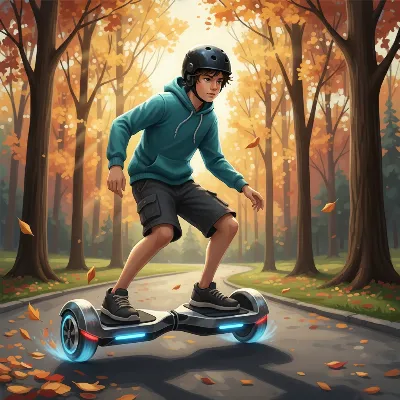 Teenager happily riding a hoverboard on a smooth path in a park, enjoying the freedom and technology of the personal transporter.
Conclusion
Choosing the ideal hoverboard for a teenager in 2026 involves balancing exciting features with crucial safety considerations. By understanding the different types, key technical specifications, and focusing on reputable brands with UL2272 certification, you can make an informed decision. Whether your teen seeks an urban cruiser for smooth rides or a rugged off-road companion for adventures, there’s a hoverboard designed to ignite their passion for personal mobility. Prioritizing protective gear and practicing safe riding habits will ensure years of thrilling, secure fun.
Which feature do you think is most important for a teenager’s first hoverboard?
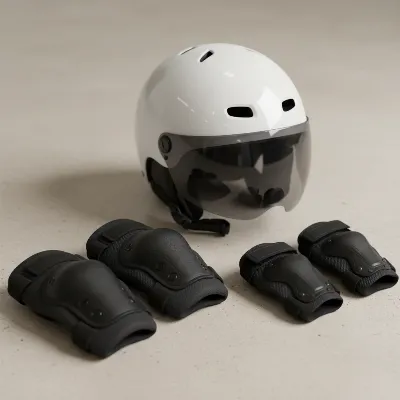 Close-up of essential hoverboard safety gear like a helmet, knee pads, and wrist guards laid out neatly.
Frequently Asked Questions
What is the most important safety feature to look for in a hoverboard?
The most critical safety feature is UL2272 certification. This ensures the hoverboard’s electrical system and battery meet strict safety standards, significantly reducing the risk of fire or electrical malfunctions. Always verify this certification before purchasing.
How fast can a hoverboard typically go, and is it safe for teenagers?
Most hoverboards for teenagers can reach speeds between 6 to 12 mph. For beginners or younger teens, it’s safer to start with models that have lower top speeds or a learning mode to gradually build confidence and control.
What’s the average battery life and charging time for a hoverboard?
On average, a hoverboard battery lasts for 1 to 3 hours of continuous riding, covering a range of 3 to 12 miles. A full charge typically takes between 2 to 4 hours, depending on the battery’s capacity and the charger’s output.
Are off-road hoverboards suitable for teenagers?
Yes, off-road hoverboards are suitable for adventurous teenagers who plan to ride on varied terrains like grass, gravel, or dirt paths. They feature larger, more robust tires and stronger motors designed to handle rougher surfaces more effectively and safely.
Do all hoverboards come with Bluetooth speakers and LED lights?
No, not all hoverboards include Bluetooth speakers or LED lights. While many popular models offer these features for added entertainment and visibility, some basic or budget-friendly hoverboards may not. Check the product specifications carefully if these features are important to you.
Get our weekly buyer guide
Practical specs, not advice. Unsubscribe anytime.
